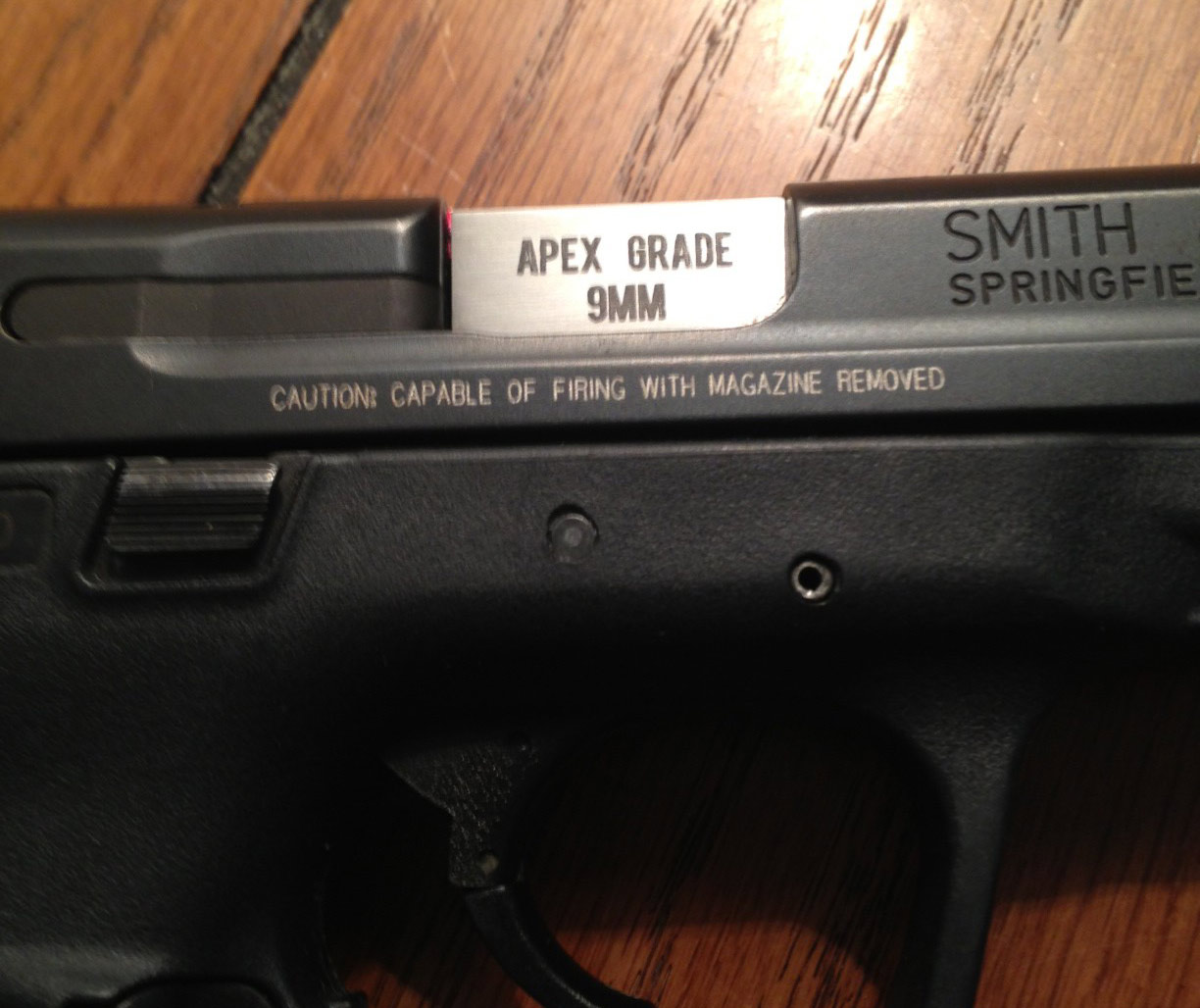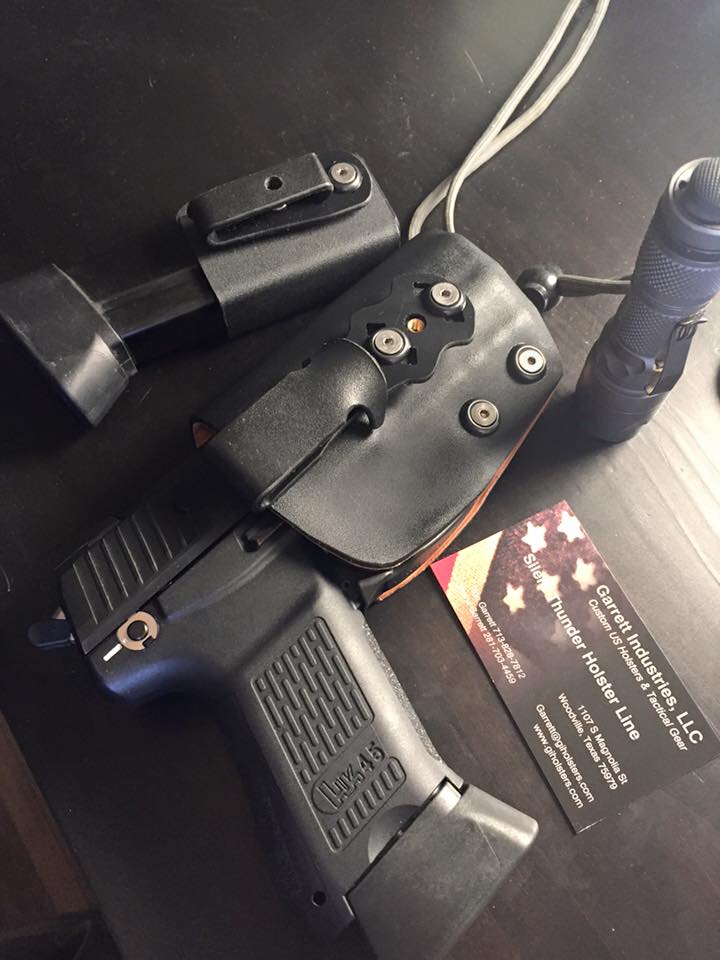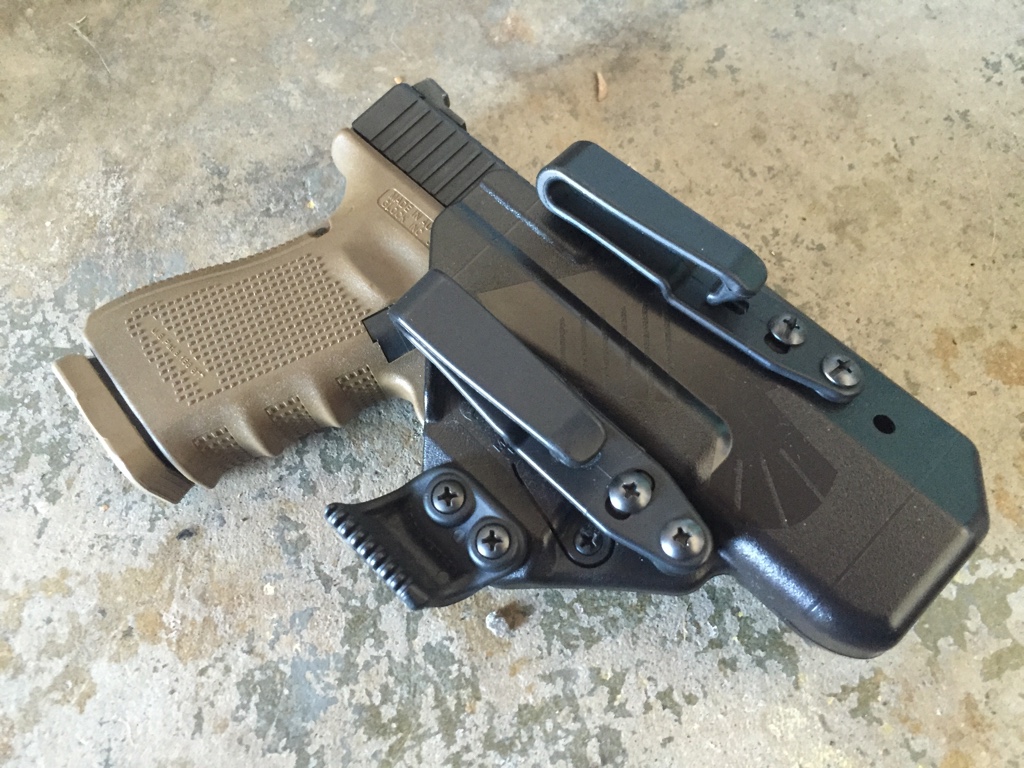


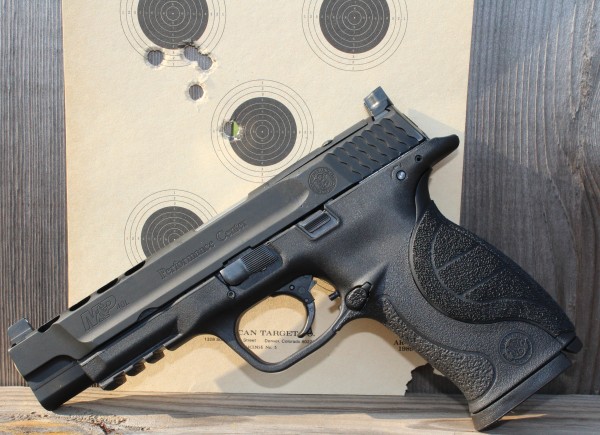
I bought my first Smith & Wesson M&P autopistol in 2008 and currently have five of them excluding the M&P40c my wife hijacked some years ago. I carried that original M&P40 on regular duty and SWAT for several years. However, Smith & Wesson just wasn’t satisfied with a good thing. After the standard duty size models became successful, then the compacts were introduced. The Competition Optics Ready Equipment (CORE) models represent another step forward for the M&P line. They allow for the mounting of optics on the standard and longer slide models. Most recently, the long slide versions hit the market. But, it doesn’t stop there. The S&W Performance Center makes both functional and aesthetic enhancements to otherwise stock handguns. So, the natural next step in the evolution of the M&P is the Performance Center line of pistols. Continue reading
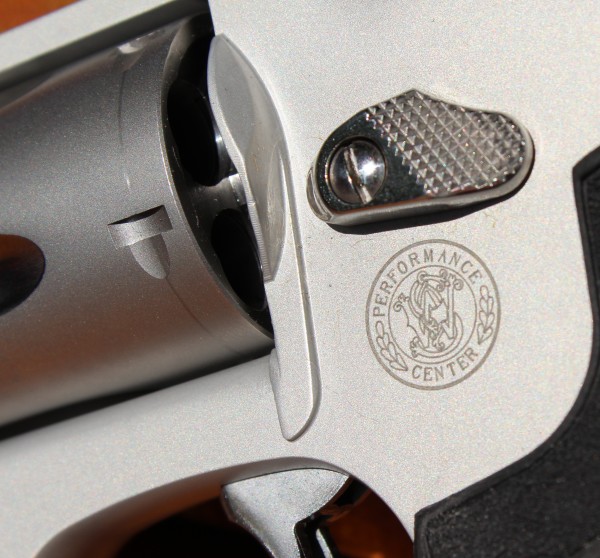 The J-frame Smith & Wesson revolver is a must-have carry gun in my book. I’ve been carrying a model 642 as a backup both on and off duty for almost fifteen years now. There are a lot of nifty little auto pistols on the market today, but none of them come out of the front pocket quite as readily an internal hammer J-frame. Of course, there are drawbacks to everything. If you want a quality, 15-ounce pocket gun, sacrifices must be made. As is necessary for reliable ignition, the DAO trigger pull on these little revolvers is heavy and that makes them somewhat more difficult to shoot. For the sake of concealability, the stocks are tiny and even the rubber ones are hard on larger hands like mine when firing +P loads. Another negative of small .38 Special revolvers is occasionally sticky extraction of spent brass. This is especially true when using the hotter defensive rounds. These guns have been popular for so many decades, I think it’s safe to say that defensive handgunners have readily accepted these seemingly necessary compromises. Maybe we don’t have to compromise as much anymore.